


Steps to Create a Healthier Home: Healthy Living Tips for Your Family
- 10 hours ago
- 4 min read
Creating a healthier home is one of the best gifts you can give your family. It’s about more than just cleanliness; it’s about fostering an environment that supports well-being, comfort, and peace of mind. I’ve learned that small, intentional changes can make a big difference in how we feel and function every day. Whether you’re just starting or looking to improve your current space, these steps will guide you toward a home that nurtures your family’s health and happiness.
Why Healthy Living Tips Matter for Your Home
When we think about health, we often focus on diet and exercise, but the environment where we live plays a huge role too. A home filled with fresh air, natural light, and non-toxic materials can reduce allergies, improve sleep, and boost mood.
For example, did you know that poor indoor air quality can cause headaches, fatigue, and respiratory issues? By improving ventilation and reducing pollutants, you can protect your family from these hidden dangers. Plus, a clutter-free, organized home reduces stress and makes daily routines smoother.
Here are some key reasons to prioritize a healthier home:
Better air quality reduces allergens and irritants.
Natural lighting supports your body’s natural rhythms.
Non-toxic materials prevent chemical exposure.
Clean and organized spaces promote calm and focus.
By focusing on these areas, you’re not just cleaning your home, you’re creating a sanctuary for your family.
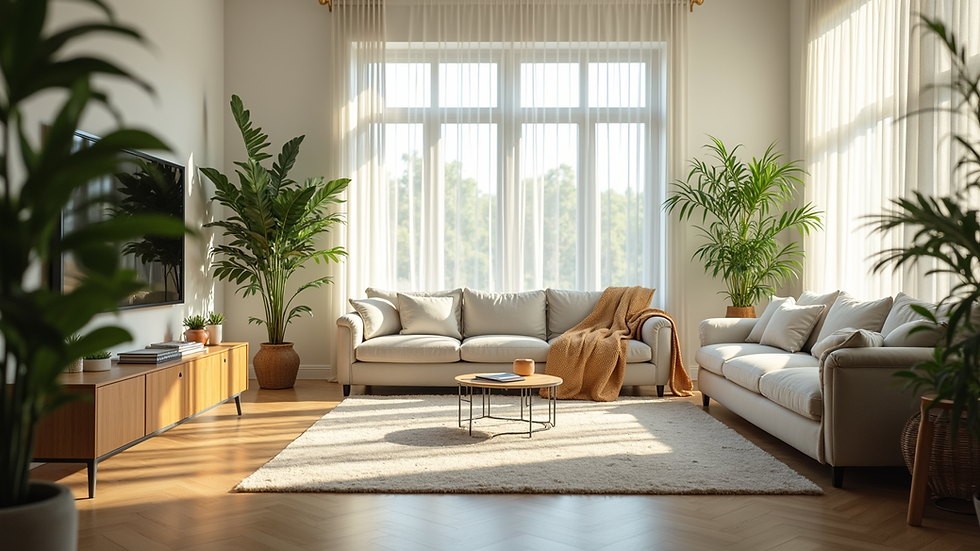
Simple Healthy Living Tips to Start Today
You don’t need to overhaul your entire home overnight. Start with simple, manageable steps that fit your lifestyle. Here are some practical healthy living tips that anyone can implement:
Open your windows daily to let fresh air circulate. Even 10-15 minutes can make a difference.
Add houseplants like spider plants or peace lilies. They naturally filter the air and add a touch of nature.
Switch to natural cleaning products to avoid harsh chemicals. Vinegar, baking soda, and lemon are great DIY options.
Declutter regularly to reduce dust and create a peaceful environment.
Use air purifiers in rooms where you spend the most time, especially if you have pets or allergies.
Create a no-shoe policy inside the house to keep dirt and germs out.
These small changes add up quickly and make your home a healthier place to live. Plus, they’re easy to maintain and won’t overwhelm your daily routine.
How to Make a Home Healthier?
Making your home healthier is about intentional choices and consistent habits. Here’s a step-by-step approach to help you transform your space:
Step 1: Assess Your Home Environment
Walk through your home and take note of areas that might need improvement. Look for:
Poor ventilation spots
Areas with mold or dampness
Rooms with little natural light
Cluttered or dusty spaces
Use of synthetic fragrances or harsh cleaners
This assessment helps you prioritize what to tackle first.
Step 2: Improve Air Quality
Air quality is crucial for health. Here’s how to improve it:
Open windows regularly.
Use exhaust fans in kitchens and bathrooms.
Add air-purifying plants.
Invest in a quality air purifier.
Avoid smoking indoors.
Step 3: Choose Safe Materials
When buying furniture, paint, or cleaning products, opt for non-toxic, eco-friendly options. Look for labels like “low VOC” or “natural ingredients.” This reduces chemical exposure for your family.
Step 4: Create a Cleaning Routine
A clean home is a healthy home. Develop a routine that includes:
Dusting and vacuuming weekly.
Washing bedding and curtains regularly.
Cleaning kitchen surfaces daily.
Using natural cleaning agents.
Step 5: Organize and Declutter
Clutter can cause stress and collect dust. Use storage solutions to keep things tidy. Donate or recycle items you no longer need.
Step 6: Incorporate Natural Elements
Bring nature indoors with plants, natural fabrics, and wood accents. These elements create a calming atmosphere and improve air quality.
Step 7: Focus on Water Quality
Consider using water filters for drinking and cooking. Clean water supports overall health and reduces exposure to contaminants.
By following these steps, you’ll create a home that supports your family’s health in every way.

Creating a Safe and Comfortable Space for Kids
If you have children, making your home healthier means extra care. Kids are more sensitive to toxins and allergens, so here are some tips to keep their environment safe:
Use non-toxic toys and furniture.
Avoid synthetic fragrances in laundry detergents and air fresheners.
Keep floors clean and free of dust and pet hair.
Use washable rugs and curtains.
Create a cozy, quiet space for rest and play.
Store cleaning products and medicines out of reach.
These steps help protect your little ones and give you peace of mind.
Maintaining a Healthy Home Long-Term
Creating a healthier home is an ongoing process. Here’s how to keep it that way:
Regularly review your cleaning products and replace any harmful ones.
Keep up with seasonal deep cleaning, including vents and filters.
Rotate houseplants and check for pests.
Stay mindful of new purchases and their impact on your home’s health.
Encourage family members to participate in maintaining a clean and organized space.
Consistency is key. When everyone in the family is involved, it becomes easier and more enjoyable to maintain a healthy home.
If you want more ideas and inspiration, check out these healthy home tips that can help you take your home to the next level.
Embracing Mindful Living in Your Home
A healthier home is also about mindset. Mindful living means being intentional with your choices and appreciating the space you create. It’s about slowing down, reducing waste, and focusing on what truly matters.
Try these mindful habits:
Spend time outdoors with your family daily.
Practice gratitude for your home and its comforts.
Choose quality over quantity when buying new items.
Create rituals that promote calm, like evening reading or family meals.
By embracing mindful living, your home becomes a place of joy, health, and connection.


Comments